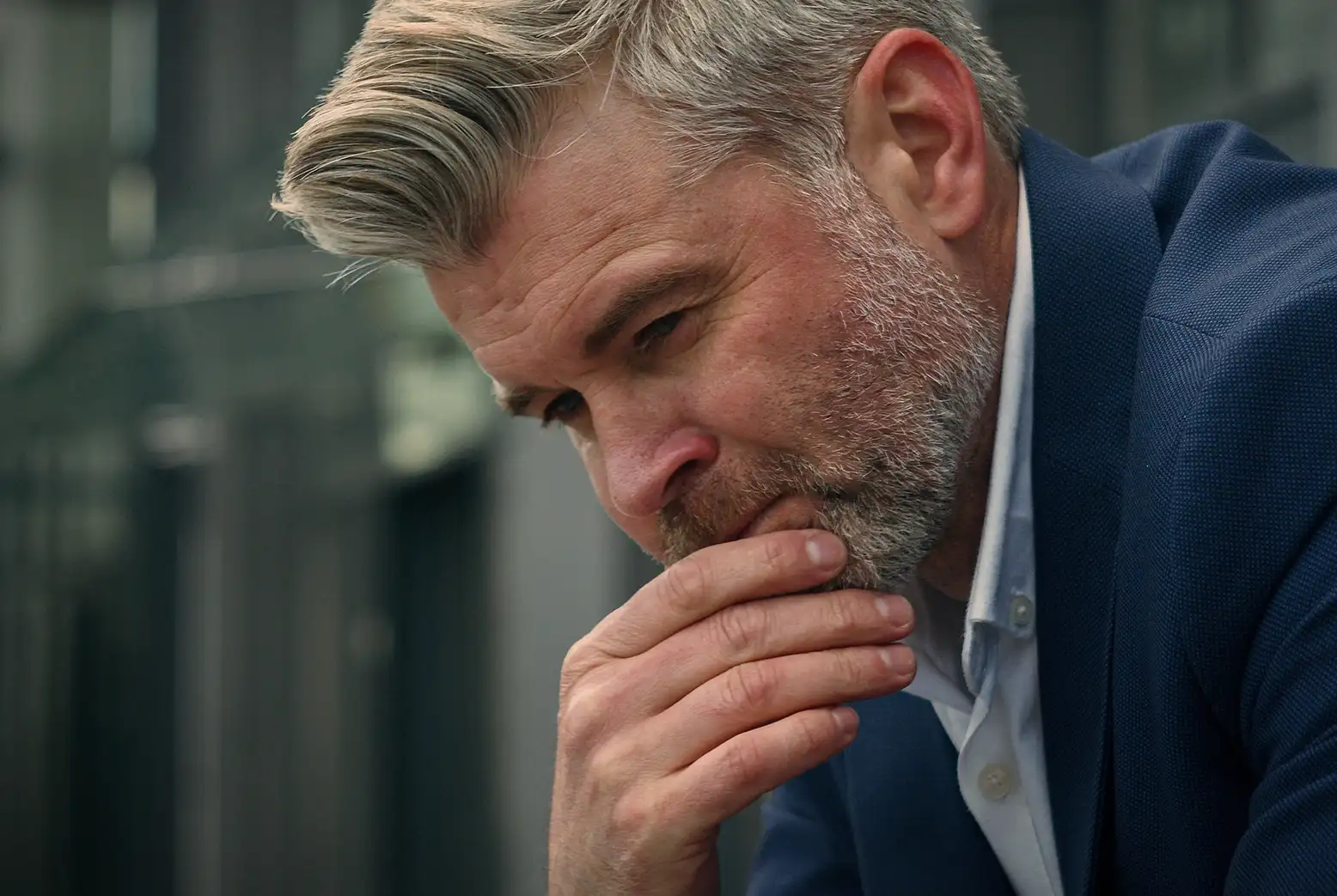
Burnout does not always look like collapse.
For many high-performing men, it looks like discipline. Precision. Long hours handled without complaint. Decisions made quickly and emotions postponed for later.
Over time, this constant activation reshapes the nervous system. The body remains in a subtle state of tension even during rest. Sleep becomes lighter. The jaw tightens unconsciously. Intimacy feels distant rather than restorative.
Masculine burnout is rarely about weakness. It is about prolonged overactivation without structured recovery.
In cities like Oslo, where performance and independence are valued, many men reach a point where they notice something missing. Not ambition. Not success. Sensation.
What Burnout Does to the Nervous System
The nervous system functions within what psychologists call the window of tolerance. Inside this window, a person can think clearly, regulate emotion and respond proportionally to stress. Outside of it, the system shifts into hyperactivation or shutdown.
Chronic pressure gradually narrows this window.
When it becomes too narrow, minor stressors trigger disproportionate reactions. Small frustrations feel heavier than they should. The body is already close to its threshold. High-performing men may still function outwardly, but internally they operate near survival mode.
Therapeutic bodywork, including professional tantric massage for men in Oslo, does more than create temporary calm. When experienced repeatedly in a safe and structured environment, it can help widen that window. The nervous system becomes less reactive and more adaptable.
This is not softness. It is capacity.
Cortisol, Testosterone and Sustainable Strength
Prolonged stress keeps cortisol elevated. Persistently high cortisol levels are associated with reduced testosterone production, lower libido, slower muscle recovery and decreased mental clarity.
It would be simplistic to claim that massage directly “boosts testosterone.” The endocrine system is more complex than that.
What nervous system regulation can do is reduce excessive stress signaling. When cortisol levels normalize, the body regains the physiological stability required for healthier hormonal balance. In other words, regulation creates the conditions for recovery.
For high-performing men, this matters. Hormonal equilibrium influences energy, focus and emotional steadiness. Sustainable strength depends not only on output, but on restoration.
Discover how a structured session works for men in Oslo
Why Slow, Intentional Touch Recalibrates the System
Slow, structured touch activates neural pathways associated with safety. Heart rate decreases, breathing deepens, muscle tone softens. The body shifts from sympathetic “action mode” into parasympathetic regulation.
For men accustomed to constant control, this shift can feel unfamiliar at first. Letting the body relax without solving, planning or achieving requires a different kind of strength.
In a professional tantra session, the pacing is deliberate. The structure is clear. Boundaries are explained. This predictability allows the nervous system to downshift without uncertainty.
Over time, repeated exposure to regulated slowness retrains the system. Stress no longer pushes the body outside its window of tolerance as easily. The threshold widens.
Performance becomes sustainable rather than reactive.
The Value of Cognitive Silence
For men in leadership or decision-heavy roles, one of the most significant benefits of structured body-based therapy is the interruption of constant internal dialogue.
Strategizing, evaluating and anticipating become default settings. Even during rest, the mind continues processing.
During a therapeutic tantra session, attention is intentionally redirected from cognition to sensation. Instead of thinking, the body feels. Instead of solving, it receives.
This temporary cognitive pause is not emptiness. It is neurological recovery. When the prefrontal cortex reduces its constant load, mental fatigue decreases and clarity improves.
Many high-achieving men describe this as the first genuine mental quiet they have experienced in months.
That silence is not avoidance. It is maintenance.
When Regulation Returns
The changes are rarely dramatic. They are steady.
Sleep may improve. Physical posture softens. Emotional reactions feel less sharp. Intimacy becomes less mechanical and more present. Decision-making feels clearer because it is no longer fueled by background tension.
Masculine burnout is not caused by ambition. It is caused by imbalance between activation and restoration.
Therapeutic tantric massage in Oslo is not about indulgence. It is a structured space where high-performing men can step out of constant activation and return to embodied regulation.
Strength without regulation leads to rigidity.
Strength with regulation leads to longevity.