Why Hugging Therapy Is the Most Honest Thing You Can Add to a Tantric Session
You leave a tantric massage session relaxed. Genuinely relaxed — the kind that starts in the muscles and moves inward, toward something quieter. The nervous system has softened. The mental noise has thinned. The body, for once, is not performing.
And then you get dressed, step outside, and walk back into Oslo — alone.
That gap. That precise moment between the depth of the session and the return to ordinary life. That is exactly where Hugging Therapy begins.
What Happens to the Body During a Tantric Massage
A professional tantric massage does something most people underestimate: it systematically dismantles the body’s defenses.
Not through force. Through presence. Through slow, intentional touch that signals to the nervous system — repeatedly, patiently — that this space is safe. That nothing needs to be guarded here.
Over the course of a session, the muscles release chronic tension they have been holding for months, sometimes years. Breathing deepens. The jaw unclenches. The shoulders drop. The body stops performing and starts simply being.
This is a physiologically vulnerable state — in the best possible sense. Oxytocin rises. Cortisol recedes. The parasympathetic nervous system takes over from the sympathetic fight-or-flight response that dominates most of modern urban life.
The body becomes open. Genuinely, unusually open.
And openness, when it arrives, carries a question with it: now what?
The Gap That Most Sessions Leave Unaddressed
Most massage experiences — even excellent ones — end with the practitioner leaving the room, a soft closing word, and the quiet sound of the door.
The client re-enters the world carrying an open body and an unfinished emotional arc.
This is not a failure. It is simply the limit of bodywork that treats the body in isolation. What the tantric tradition has always understood — and what modern neuroscience increasingly confirms — is that the human nervous system does not regulate in isolation. It co-regulates. It settles not just through breath or movement, but through attuned human contact.
Presence. Warmth. The specific quality of being held — not fixed, not solved, just held.
This is what Hugging Therapy offers as an add-on at the end of a tantric massage session: the completion of a cycle that touch alone begins but cannot finish.
The massage dissolves the armour. The hug reminds the body what it was protecting itself from — and that it doesn’t have to anymore.
What Hugging Therapy Actually Is — and What It Is Not
Let’s be direct, because this matters. Hugging Therapy at Tantric Touch Oslo is not a spontaneous gesture. It is not emotional improvisation. It is a structured, intentional practice — offered as an add-on to the tantric massage session, within the same clear professional and ethical boundaries that define every service we provide.
What it involves is conscious physical contact: an embrace that is adapted organically to each person and each moment. Sometimes that means stillness and synchronized breath. Sometimes it means a hand placed on the back, eye contact, and guided presence. What it always involves is intention — a quality of attention that transforms a simple physical gesture into something that lands in the nervous system as safety, recognition, and completion.
This is not therapy in the clinical sense. It is bodywork that honors a fundamental human need that Oslo — like every high-functioning, high-pressure city — systematically starves its people of: meaningful, non-transactional physical connection.
Oslo Is a City of Proximity Without Contact
This requires honesty. Oslo is one of the most prosperous, functional, and well-organized cities in the world. It is also, by multiple measures, one of the loneliest. Not dramatically. Not visibly. The loneliness here is quiet, polite, and extremely well-dressed.
People live at close proximity — in apartments, on trams, in open-plan offices — while maintaining a cultural distance that rarely permits genuine physical warmth between near-strangers or even acquaintances. Touch is rationed. Hugs are brief. Emotional expression is managed.
This is not a critique. It is a description of a culture that has optimized for independence and personal space, and paid a specific biological price for it.
The human body requires touch the way it requires food and sleep. Not metaphorically. Literally. Skin-to-skin contact activates the vagus nerve, regulates cortisol, and produces oxytocin — the neurochemical most directly linked to feelings of safety and belonging. Without adequate touch, the nervous system remains in a low-grade state of alert. Present, functional, but quietly starved.
Many people in Oslo carry this hunger without naming it. They don’t know they are touch-deprived because they have normalized the absence. The body adapts. The longing goes underground.
Until something opens the body — like a tantric massage — and suddenly the hunger becomes legible again.
Why This Add-On Works: The Science of Co-Regulation
The nervous system does not regulate itself alone. This is one of the most important discoveries of contemporary trauma research and polyvagal theory.
Stephen Porges’ work on the autonomic nervous system shows that the human body moves into its deepest states of calm not in isolation, but in the presence of another regulated nervous system. A calm, attuned body — a therapist who is genuinely present, not performing presence — communicates safety at a level below thought, below language.
This is why the quality of the practitioner matters more than any technique. And it is why the specific format of Hugging Therapy — conscious, unhurried physical contact offered at the moment when the client’s body is most open — produces a depth of relaxation and emotional integration that bodywork alone rarely achieves.
The body, already softened by the massage, encounters warmth. Human warmth. And something resolves — quietly, completely, without needing to be understood or explained.
You don’t need to articulate what you needed. The body already knew. The hug simply confirmed it.
Who This Add-On Is Designed For
Hugging Therapy is not designed for everyone. It is designed for people who are ready to be honest about what the body actually needs — which, in a culture that prizes self-sufficiency, is itself a form of courage.
It is relevant for people who have been through periods of isolation — whether from separation, relocation, loss, or simply the quiet attrition of years lived primarily inside the mind.
It is relevant for men and women who function well externally but carry a persistent sense of disconnection — from others, from their own bodies, from the warmth they remember but rarely access.
It is relevant for anyone who has experienced a tantric massage session and felt, in that open, softened state, a longing for something more — not more stimulation, but more contact. More presence. More completion.
How to Add Hugging Therapy to Your Session
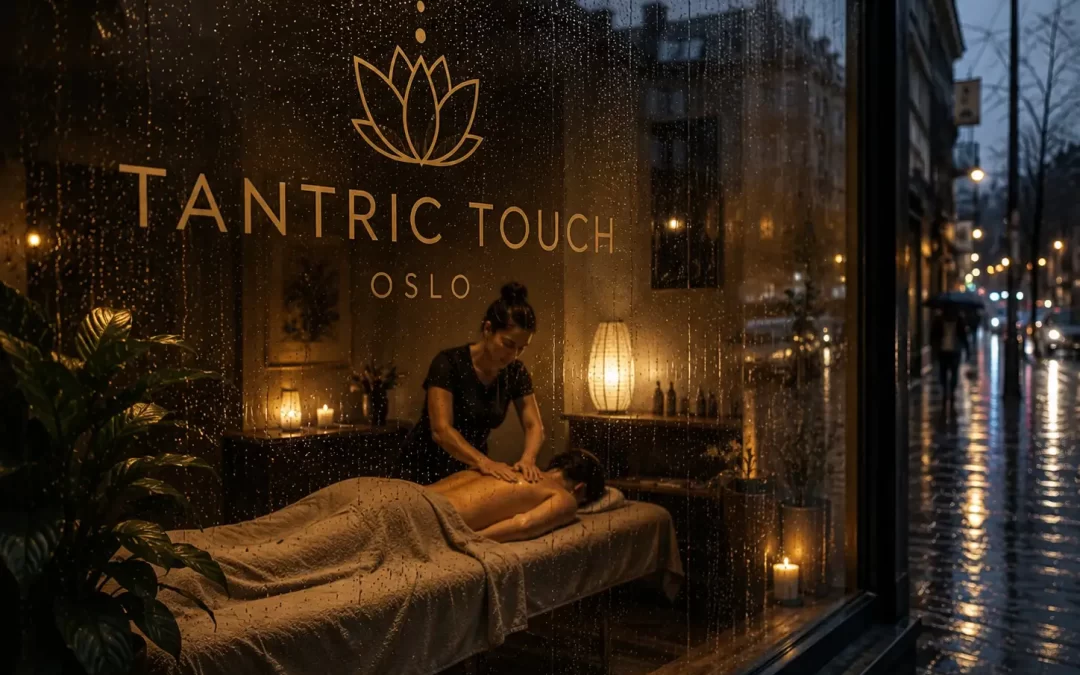
Hugging Therapy is available as an add-on to any tantric massage session at Tantric Touch Oslo, located near the Oslo Opera House in Sørenga.
You select it at the time of booking — alongside your choice of massage duration and any other add-ons. It does not require explanation or justification. It simply needs to be chosen.
The rest unfolds within the session, guided by your therapist’s attentiveness and your own comfort level. Nothing is forced. Nothing is assumed. The experience adapts to who you are and what your body is ready to receive on that particular day.
What you bring is simply the willingness to arrive.